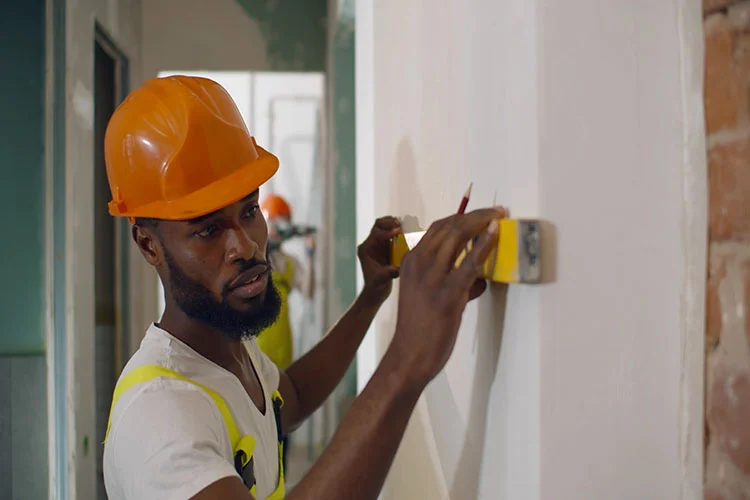
Common causes of home renovation heartache—and how you can avoid them.
Home improvement projects of any scale can be exciting and invigorating for a homeowner. The fun of novelty, the relief of finally tackling that room—it’s bound to give anyone a thrill.
However, home improvement projects also come with risks. Any project, especially a complex one, can cause problems for the homeowner.
Here are five common causes of home renovation problems, along with our tips for preventing them.
Not enough budget.
Home improvement projects at any scale cost money. In a perfect world, every family would take the time to plan out the project and save up what they need. But many homeowners get caught up in the excitement and get started without enough money set aside.
Dealing with a cash shortage halfway through a project can be incredibly stressful and disheartening. It can lead to several unfortunate outcomes:
- The family runs out of money and has to halve or halt the project.
- The family has to take drastic measures to get the money, such as a high-interest loan.
THI Tip: Unless your home needs emergency repairs, it’s always better to put off a project until you have the money you need. Talk to a contractor up front and get a few quotes so you can give yourself a savings target. Then work with your family to make a plan.
Read our guide to financing your home improvement project >
Opting for cheap materials.
In any context, there is almost always a cheaper option available. In the world of home improvement, choosing it over and over can cause problems. Inexpensive home improvement products are often poorly made and don’t last as long as quality materials. Even if everything goes smoothly during renovations, the family can deal with frustration down the road. They may end up paying for yet another round of renovations much sooner than expected.
THI Tip: Ask your contractor for their honest input on materials. You don’t always have to opt for the most luxurious, expensive option available, but quality is worth paying for. Ask your contractor to walk you through your options, including price, pros, and cons. Then you can make an informed decision and save yourself from heartache.
Choosing contractors without doing research.
There are plenty of excellent contractors out there—along with a lot of really bad ones. It can be tough to spot the difference at a glance. But an inexperienced contractor can wreak havoc on a long-awaited project. Some homeowners end up paying a second time for someone better to come in and redo the work.
THI Tip: Never hire a contractor at random. Ask friends, family, neighbors, and colleagues for recommendations. Ask every contractor you talk to for references, read their reviews, and look at pictures of their past work. It’s a little tedious, but finding a truly excellent contractor is worth it.
Not doing the prep work.
Even a homeowner who hires out every single task of a home renovation is responsible for getting the house ready.
Imagine this scenario: A family is getting their windows replaced. They’ve chosen the windows and confirmed the date with their contractor. When the contractor arrives… the house is not ready. The family hasn’t moved any furniture or figured out how to keep their dog and curious toddler out of the way. The contractor can’t even get started.
It takes three hours to move the furniture, put away valuable items, and put down drop clothes for the workers’ boots. In the end, they don’t have time to complete the project. Because the contractor is so busy, the family has to wait several more months to schedule another day. They also have to pay extra for that second day, and the time spent moving all that furniture.
A similar version of this scenario is possible with virtually any home improvement project. Lack of prep can slow down the entire process and lead to extra costs.
THI Tip: Ask your contractor what they need from you—and don’t wait until the last minute. Make a plan ahead of time to get everything done so your contractor can dive right in.
Attempting to DIY a home renovation project that you’re not qualified for.
YouTube, Instagram, and other corners of the internet make it look all too easy to do it yourself (DIY). And in some cases, the DIY route really is a great option! If you have the right skills, you can save a lot of money. Paint, wallpaper, and other projects can be mastered fairly easily, and many people find them fun.
On the flip side, plumbing, electrical work, tile, and drywall are far beyond the skill level of most average homeowners. Far too many homeowners take on DIY projects without having a clue what they’re doing. When people attempt projects outside the scope of their abilities, it can be disastrous.
At best, the results are shoddy and unattractive. The family may decide to live with it—or end up paying for a professional to fix it anyway. At worst, these DIY projects can be downright dangerous. Plumbing disasters can flood homes, and electrical shocks can be fatal.
THI Tip: If you are truly confident you can do something yourself, then go for it. Just be honest with yourself. It can be hard to admit that something is beyond your abilities. But a little humility is a small price to pay in exchange for safe and successful home renovation projects.
–
Whether you’re just dreaming about a renovation or starting to think about contractors, THI is here to help. Get in touch with a member of our team >
What Is Fascia?
Fascia is the long, straight board that runs along the edge of your roofline. It’s usually the part you see directly below the roof shingles and along the outer edge of the eaves.
Fascia serves a few important purposes.
First, it provides a finished edge for the roof. It also helps support the lower edge of the roofing system and provides a surface where gutters can be attached.
That last part is especially important. Your gutters rely on the fascia for support, and properly functioning gutters help direct rainwater away from your home and its foundation.
If your fascia becomes damaged or starts to rot, it can eventually affect the gutters and the areas around them.
Why Are Soffit and Fascia Important?
Soffit and Fascia work together to protect one of the more vulnerable areas of your home’s exterior.
They help:
- Provide attic ventilation
- Protect the roofline from weather and moisture
- Keep pests out of the eaves
- Protect exposed areas beneath the roof
- Provide support for gutter systems
- Create a finished appearance around the roofline
Because they’re exposed to the elements year after year, they can eventually develop problems.
Common Soffit and Fascia Problems
Rot and Water Damage
Water is one of the biggest concerns, particularly with wood materials.
Leaks, damaged roofing, clogged gutters, or poor drainage can allow moisture to reach the soffit and fascia. Over time, that moisture can lead to rot, mold, and deterioration.
Soft or crumbling wood is a good reason to have the area inspected.
Cracking and Warping
Exterior materials are constantly exposed to heat, cold, moisture, and UV rays. Over time, that exposure can cause some materials to crack, warp, or pull away from the home.
If you notice boards that are bowing, separating, or no longer sitting properly, they should be checked.
Pest Problems
Small openings in damaged soffit can give birds, insects, and other pests a way into the eaves or attic.
If you notice nests, insects, or signs of animals getting into the roofline, inspect the soffit and fascia for gaps or damage.
Gutter Problems
Because gutters are commonly attached to the fascia, damaged fascia can create problems with the gutter system.
If your gutters are pulling away from the house, sagging, or becoming difficult to secure, the condition of the fascia behind them is worth checking.
When Should You Repair or Replace Soffit and Fascia?
Not every damaged soffit or fascia needs a complete replacement. However, if you’re seeing any of these signs, it’s worth having the area inspected:
- Soft or rotting wood
- Cracks or holes
- Warping or separation
- Water stains or signs of moisture damage
- Pest entry points
- Gutters pulling away from the fascia
- Repeated repairs or repainting in the same areas
- Large sections of deteriorating material
It is important to understand why the damage happened in the first place.
Replacing a section of rotted fascia without addressing an ongoing water or drainage problem could leave you dealing with the same issue again.
What Materials Can Be Used for Soffit and Fascia?
Homeowners have several material options, including wood, aluminum, and fiber cement.
Wood
Wood has a traditional appearance and can work well with certain home styles. The downside is that it requires more maintenance and can be vulnerable to moisture, rot, insects, and weather exposure.
Aluminum
Aluminum is another low-maintenance option. It’s resistant to moisture and won’t rot, although it can dent and may eventually show signs of wear.
Fiber Cement
Fiber cement is another option for homeowners looking for a durable exterior material with lower maintenance needs than traditional wood.
James Hardie fiber cement is one option to consider for both siding and soffit/fascia.
Why Consider James Hardie for Siding, Soffit, and Fascia?
If you’re already replacing failing siding, it can make sense to inspect the soffit and fascia at the same time.
These areas all work together as part of your home’s exterior, so replacing damaged materials together can create a more consistent finished look and address multiple areas of deterioration at once.
James Hardie fiber cement is designed to handle moisture and weather exposure while requiring less maintenance than traditional wood. For Texas homeowners, that can be especially valuable given the heat, sun, storms, and changing weather conditions our homes experience.
Using James Hardie for siding and soffit/fascia can also give the exterior a more cohesive appearance instead of mixing several different materials along the same roofline.
Of course, the right material depends on the condition of your home, the source of the damage, your budget, and the look you’re trying to achieve.
What Should You Look for Around Your Roofline?
You don’t need to be a contractor to spot some of the common warning signs. Take a look around your roofline and keep an eye out for:
- Soft or crumbling material
- Cracks or holes
- Warping or sagging
- Peeling or deteriorating paint
- Water stains or discoloration
- Gaps around the soffit
- Signs of birds or insects
- Gutters pulling away from the fascia
- Areas that have required repeated repairs
If you notice several of these issues at once, it’s a good idea to have the area professionally inspected.
Final Thoughts
Soffit and fascia may not be the first things you notice about your home, but they serve important purposes.
They help protect the roofline, support gutters, provide attic ventilation, and keep moisture and pests out of vulnerable areas.
If you’re seeing rot, cracking, warping, water damage, or other deterioration, the right solution isn’t always to replace everything. Start by identifying the source of the problem and determining whether repair or replacement makes the most sense.
And if you’re already replacing your siding, take the opportunity to inspect your soffit and fascia as well.
For Texas homeowners looking for a durable fiber-cement exterior, James Hardie siding and soffit/fascia are options worth considering as part of a complete exterior replacement.